 Skip to content

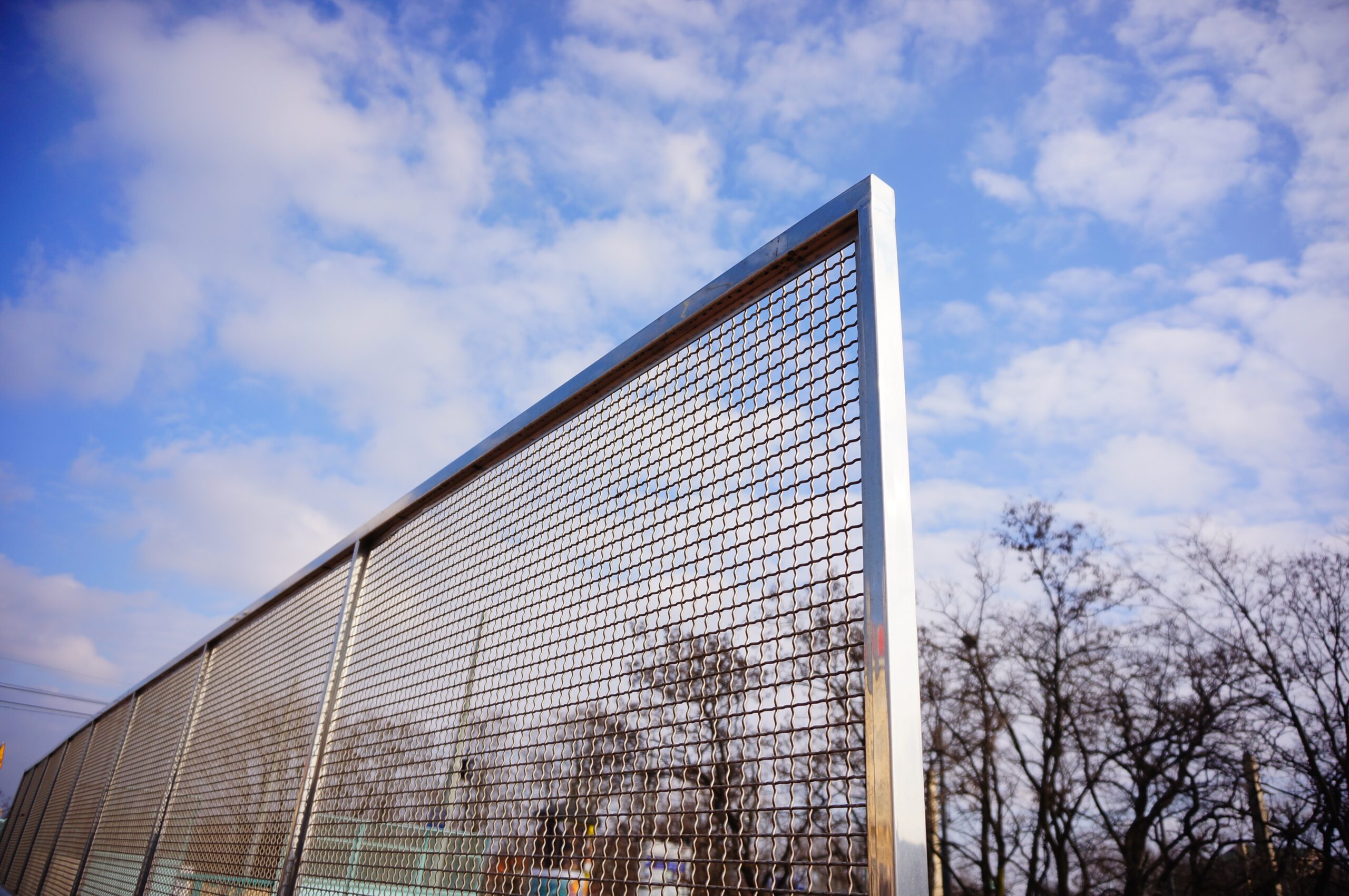
Choosing a fence involves more than finding a suitable boundary for your property. The materials, construction quality, and product availability all influence how well the fence performs over time. When comparing fence suppliers in UAE, it is important to look beyond product prices and understand whether the available solutions match your project’s requirements.
Whether you are securing an industrial site, enclosing a commercial property, or planning a perimeter barrier, a careful evaluation can help you make a more informed decision.
1. Assess the Quality of Fencing Materials
A fence must suit its intended environment and withstand the conditions in which it will be installed. In the UAE, heat, sunlight, dust, and moisture exposure can affect material performance, depending on the location and application.
When evaluating a supplier, consider:
- Material strength: Check whether the fencing is suitable for the expected physical demands.
- Corrosion resistance: Ask about protective coatings and their suitability for the installation environment.
- Construction consistency: Look for uniform dimensions, secure joints, and consistent mesh openings where applicable.
- Maintenance requirements: Understand the cleaning, inspection, and upkeep needed to maintain the fence.
These details help you compare products based on practical performance rather than appearance alone.
2. Compare Product Selection With Your Project Needs
Reliable fence suppliers UAE should offer options that address different site requirements. A residential boundary, warehouse perimeter, and industrial enclosure may need different levels of visibility, strength, and access control.
Before selecting a product, identify your priorities. Do you need a clear view through the fence, a defined perimeter, or a barrier suited to a demanding working environment?
Compare the available fencing options by material, dimensions, configuration, and intended application. A wider selection is useful when it helps you find a suitable solution, not simply when it increases the number of products to choose from.
3. Check Manufacturing Capabilities and Specifications
Product quality also depends on how fencing components are manufactured. If your project requires mesh fencing, ask about wire dimensions, mesh spacing, joint consistency, and production specifications.
For projects involving Wire mesh welding UAE, evaluate whether the manufacturing process produces consistent intersections and a uniform finished structure. Weld quality matters because inconsistent joints can affect the mesh’s strength and overall reliability.
Request product specifications and relevant quality documentation before ordering. Where applicable, check whether the products meet the standards required for your project.
4. Evaluate Supplier Communication and Project Support
A suitable supplier should be able to explain product differences clearly and help you identify options that match your requirements.
Before making a decision, ask:
- Which fencing options suit my site and intended use?
- What material specifications and finishes are available?
- Can the supplier provide the required dimensions and quantities?
- What information is needed to prepare an accurate quotation?
Clear answers help reduce confusion, particularly when comparing products for larger installations.
5. Compare Value, Not Just Price
The lowest quotation may not represent the best overall value. Differences in material specifications, finish, dimensions, and maintenance needs can influence the long-term suitability of a fencing solution.
Compare quotations on an equivalent basis. Confirm that each includes the same product specifications, quantities, and relevant components before assessing the price.
The Bottom Line!
Evaluating fence suppliers UAE requires a balanced look at material quality, product selection, manufacturing consistency, and communication. By checking specifications and comparing equivalent options, you can choose fencing that fits your property’s practical needs. A clear understanding of your requirements also makes discussions with suppliers more productive and helps you make a confident purchasing decision.
Frequently Asked Questions
- What should I check before choosing fence suppliers in the UAE?
Review material quality, available fencing types, product specifications, protective finishes, and suitability for your site. Ask for a detailed quotation and relevant documentation so you can compare suppliers using consistent criteria rather than relying on price alone.
- How do I choose fencing materials for the UAE climate?
Consider exposure to sunlight, heat, dust, and moisture at the installation site. Ask suppliers about corrosion protection, material durability, and maintenance needs. The best option depends on the specific environment, intended application, and performance requirements.
- Why is wire mesh welding quality important?
Consistent welding helps maintain the mesh’s structural integrity and uniformity. Poorly formed intersections may weaken individual sections or affect the finished product. Ask about wire specifications, welding consistency, and applicable quality checks before placing an order.
- What information should I provide when requesting a fencing quotation?
Share the project location, intended application, approximate perimeter dimensions, required fence height, preferred material, and any access or visibility requirements. Providing accurate quantities and specifications helps suppliers recommend suitable products and prepare more comparable quotations.
- How can I compare fencing quotations accurately?
Check that each quotation covers equivalent materials, dimensions, finishes, quantities, and required components. Clarify any exclusions, delivery arrangements, and installation responsibilities where applicable. Comparing like-for-like specifications provides a more meaningful basis for evaluating overall value.